Description
Certification Name: Certified Adaptive Fitness Specialist
Global Occupational Skill Standard – GOSS ID: GOSS/HF/CAFS/V1
Eligibility: Graduation or Equivalent or minimum 2 years of relevant experience (experience-based learners can directly enroll and certify).
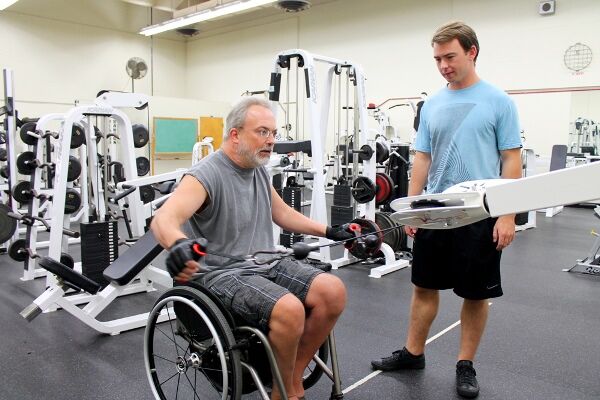
Objective: The Certified Adaptive Fitness Specialist course is designed to prepare fitness professionals to create safe, effective, and inclusive exercise programs tailored for individuals with physical disabilities, chronic conditions, or special needs. The program covers adaptive training techniques, anatomy and physiology related to disabilities, risk assessment, exercise modifications, assistive technologies, and motivational strategies.
Certification: Within 5 days after Completion of Online Assessment.
Get ready to join the Journey to become a GSDCI Certified Professional – International Certification and Assessment Body.
Steps to become a GSDCI Certified Professional:
Step 1: Select your certification you want to pursue.
Step 2: Click on get certified tab, new pop up window will open.
Step 3: Click on pay certification fee, you will be redirected to billing details page.
Step 4: Fill your details and click on pay certification fee, You will be redirected to payment gateway, pay fee by any available options like Card(Debit/Credit), Wallet, Paytm, Net banking, UPI and Google pay.
Step 5: You will get Login Credentials of Online E-Books and Online assessment link on your email id, within 48 hrs of payment.
Step 6: After completion of online assessment, you can download your Certificate Immediately.
Assessment Modules:
Module 1: Introduction to Adaptive Fitness and Special Populations: Overview of adaptive fitness and inclusive training principles, Understanding physical, cognitive, and sensory disabilities, Common conditions requiring adaptive fitness (SCI, CP, MS, autism, amputations), Role and responsibilities of an adaptive fitness specialist, Legal and ethical considerations (ADA compliance, inclusivity), Psychological and social aspects of training individuals with disabilities.
Module 2: Functional Anatomy and Movement Assessment: Basic musculoskeletal anatomy relevant to adaptive training, Identifying movement limitations and postural deviations, Functional movement screening and adaptive assessment tools, Gait, balance, and mobility evaluations, Modifying assessments for different disabilities, Documenting baseline function and progress tracking.
Module 3: Program Design and Modification Techniques: Principles of program design for adaptive populations, Goal setting and progression planning based on ability, Modifying exercises for wheelchair users, prosthetics, and mobility aids, Resistance, cardiovascular, flexibility, and balance training adaptations, Using assistive devices and support tools during workouts, Creating safe and motivating training environments.
Module 4: Adaptive Strength and Conditioning Methods: Strength training strategies for individuals with limited mobility, Circuit training and functional fitness adaptations, Core stability and posture correction techniques, Low-impact cardio options (seated machines, aquatic therapy), Respiratory conditioning and energy system development, Injury prevention and joint protection in adaptive populations
Module 5: Communication, Coaching, and Behavior Support:Effective communication strategies for diverse needs, Motivational techniques and building client confidence, Working with caregivers, therapists, and healthcare teams, Understanding sensory processing challenges and behavioral cues, Creating inclusive group fitness sessions and one-on-one training, Cultural competence and respect in adaptive fitness coaching.
Module 6: Professional Practice, Ethics, and Career Development: Building an adaptive fitness practice or program, Certification, insurance, and liability considerations, Recordkeeping and client safety documentation, Staying updated with research and continuing education, Networking with rehabilitation and medical professionals, Career opportunities and community outreach in adaptive fitness coaching.
GSDCI Online Assessment Detail:
- Duration- 60 minutes.
- Number of Questions- 30.
- Number of Questions from each module: 5.
- Language: English.
- Exam Type: Multiple Choice Questions.
- Maximum Marks- 100, Passing Marks- 50%.
- There is no negative marking in any module.
| Marking System: | |||
| S.No. | No. of Questions | Marks Each Question | Total Marks |
| 1 | 10 | 5 | 50 |
| 2 | 5 | 4 | 20 |
| 3 | 5 | 3 | 15 |
| 4 | 5 | 2 | 10 |
| 5 | 5 | 1 | 5 |
| 30 | 100 | ||
| How Students will be Graded: | |||
| S.No. | Marks | Grade | |
| 1 | 91-100 | O (Outstanding) | |
| 2 | 81-90 | A+ (Excellent) | |
| 3 | 71-80 | A (Very Good) | |
| 4 | 61-70 | B (Good) | |
| 5 | 50-60 | P (Pass) | |
| 6 | 0-49 | F (Fail) | |
Benefits of Certification:
🌍 1. Global Recognition & Credibility – Stand out worldwide with a certification that opens doors across borders. Trusted by employers, respected by institutions, and recognized in over 100 countries.
📜 2. Quality Assurance through ISO Certification – Certified to global ISO standards, our programs deliver excellence, consistency, and a benchmarked learning experience that speaks for itself.
💼 3. Career Advancement & Employability – Enhances your resume and increases chances of promotions or job offers.
🤝 4. Non-Profit Trust Factor – Certifications from non-profit organizations are mission-driven rather than profit-driven.
📚 5. Access to Verified Learning & Resources – Often includes e-books, mock tests, and online support without hidden costs.
🔍 6. Transparency & Online Verification – Certifications come with a unique Enrolment ID for easy online verification by employers and institutions.
⏳ 7. Lifetime or Long-Term Validity – Certifications usually have lifetime validity or long-term recognition, reducing the need for frequent renewals.


Reviews
There are no reviews yet.